-
All
-
Underfloor Heating Staples
-
Underfloor Heating Reflective Film
-
Underfloor Heating Clips
-
Underfloor Heating Pipe Bend Guide
-
Underfloor Heating Pipe Sleeve
-
Mushroom Underfloor Heating Board
-
Aluminum Foil Tape
-
Underfloor Heating Pipe Unwinder
-
PVC Coated Straight Cut Wire
-
Underfloor Heating Perimeter Expansion Strip
-
Dry Underfloor Heating Module
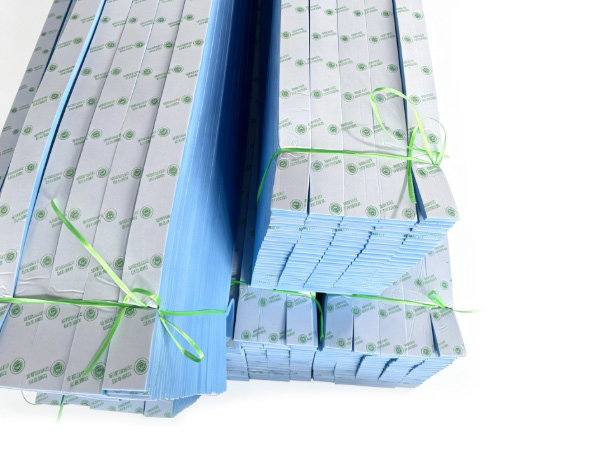
UFH Perimeter Edging Strip
UFH Perimeter Edging Strip: Protecting Your Underfloor Heating Investment The UFH perimeter edging strip is an essential accessory in every underfloor heating installation. Placed a...

Product Details
UFH Perimeter Edging Strip: Protecting Your Underfloor Heating Investment
The UFH perimeter edging strip is an essential accessory in every underfloor heating installation. Placed around the edges of the heated floor before screed is poured or panels are laid, it creates a flexible thermal break that protects the screed, floor finish, and walls from damage caused by expansion and contraction. This guide covers what UFH perimeter edging strips are, their functions, and best-practice installation.
Understanding UFH Perimeter Edging Strips
A UFH perimeter edging strip is a flexible foam band, typically made from low-density polyethylene (EPE) or similar closed-cell material, installed vertically along the junction between the floor slab and the walls. Its primary role is to provide a compressible joint that allows the heated screed or floor system to expand without pressing rigidly against the walls. Many edging strips also include a horizontal polyethylene film that overlaps the subfloor, acting as a separating membrane between the screed and the subfloor. The strip is supplied in rolls of varying heights and is designed to be trimmed flush after the final floor covering has been laid.
Without a perimeter edging strip, the screed can push against the walls as it heats up, leading to cracks, lifting tiles, noisy movement, or damage to wall finishes. The strip solves this by absorbing movement in a controlled, invisible way.
Key Functions and Benefits
Thermal expansion control: Absorbs floor movement during heating cycles, preventing stress cracks and structural damage.
Edge insulation: Reduces sideways heat loss through external walls, improving overall heating efficiency.
Moisture separation: The attached polyethylene film separates the screed from the subfloor and reduces moisture transfer.
Noise reduction: Breaks the acoustic bridge between the floor slab and walls, lowering impact sound transmission.
Fast installation: Rolls can be cut and fixed quickly, often with self-adhesive backing, saving labor on site.
Professional finish: Once trimmed and covered by skirting, the strip is invisible, leaving a clean floor-to-wall junction.
How to Install
Start with a clean, flat subfloor. Measure and cut the edging strip to fit around all walls, internal partitions, pipe penetrations, columns, and door thresholds. Fix the strip vertically with the adhesive side facing the wall, ensuring it stands straight and extends above the planned finished floor level. At corners, cut the strip to butt neatly or overlap slightly. If using a strip with an attached membrane, lay the membrane flat across the subfloor and overlap adjacent strips where required. This membrane helps prevent the screed from bonding to the subfloor and creates a controlled moisture layer.
After the screed has cured and the floor finish is complete, trim the protruding foam flush with the finished floor level. Install skirting boards or edge trims to conceal the strip and provide a neat, finished appearance.
When It Is Required
UFH perimeter edging strips are used in virtually every underfloor heating project, whether residential or commercial. They are mandatory in wet screed systems, where the screed expands significantly when first heated. They are also recommended in dry panel systems, where the floor finish and substrate still experience thermal movement. Rooms with external walls, large open-plan areas, and floors adjacent to garages or unheated spaces benefit particularly from the edge insulation and movement control that edging strips provide.
Selecting the Right Edging Strip
Choose a strip height that exceeds the total screed and floor finish thickness so it remains accessible for trimming. Closed-cell foam materials are preferred because they are durable and do not absorb water. Consider whether an integrated polyethylene membrane is required for the subfloor condition and project specification. For projects subject to building regulations, verify that the strip meets the required thermal and acoustic standards and that the overall edge insulation design has been included in the system calculations.
Conclusion
The UFH perimeter edging strip may be a small component, but its role in protecting underfloor heating performance is significant. By managing thermal movement, reducing edge heat loss, and providing a clean separation layer, it helps ensure the floor remains comfortable, quiet, and crack-free for years. Including quality perimeter edging strips in every installation is a simple, cost-effective step that protects the entire heating system and the finished floor.