-
All
-
Underfloor Heating Staples
-
Underfloor Heating Reflective Film
-
Underfloor Heating Clips
-
Underfloor Heating Pipe Bend Guide
-
Underfloor Heating Pipe Sleeve
-
Mushroom Underfloor Heating Board
-
Aluminum Foil Tape
-
Underfloor Heating Pipe Unwinder
-
PVC Coated Straight Cut Wire
-
Underfloor Heating Perimeter Expansion Strip
-
Dry Underfloor Heating Module
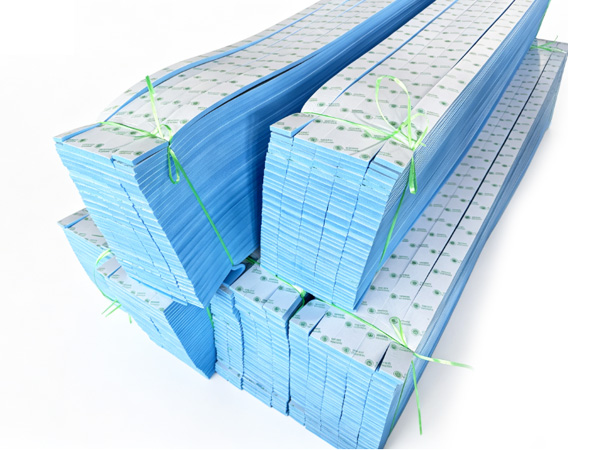
Underfloor Heating Edge Insulation Strip
Underfloor Heating Edge Insulation Strip: Protecting Floor Performance and Comfort The underfloor heating edge insulation strip is a vital accessory that prevents sideways heat loss...

Product Details
Underfloor Heating Edge Insulation Strip: Protecting Floor Performance and Comfort
The underfloor heating edge insulation strip is a vital accessory that prevents sideways heat loss, absorbs floor movement, and protects the integrity of underfloor heating systems. Installed around the perimeter of the heated floor, it acts as a barrier between the heated screed or panel layer and the external walls. This article explains the purpose, benefits, and correct use of edge insulation strips in modern underfloor heating installations.
What Is an Edge Insulation Strip?
An edge insulation strip is a flexible, closed-cell foam strip, usually made of polyethylene (EPE) or similar material, fitted vertically along the junction of the floor slab and walls before screed is poured. It serves two main functions: first, it provides thermal insulation along the edge, reducing heat loss through external walls; second, it creates a compressible expansion joint that allows the floor to move thermally without cracking or pressing against the wall. Many strips come with a polyethylene membrane that folds onto the floor surface to form a damp-proof layer and help separate the screed from the subfloor.
The strip is supplied in long rolls in various heights and thicknesses. It is typically chosen to extend above the finished floor level, then trimmed flush after the screed has cured and the final floor finish has been installed.
Key Benefits
Reduces edge heat loss: Minimizes sideways heat transfer into external walls, improving overall system efficiency.
Absorbs thermal movement: Compressible foam accommodates expansion and contraction, protecting screed and floor finishes from cracks.
Moisture barrier: Integrated polyethylene film helps control moisture migration between the screed and wall.
Acoustic isolation: Helps reduce impact and airborne sound transfer between the floor slab and the wall structure.
Quick and easy installation: Lightweight rolls can be cut and fixed in minutes, with adhesive backing options available.
Cost-effective protection: Low material cost compared with the risk of screed cracking, re-tiling, or wall repairs.
Installation Guidelines
Begin by ensuring the subfloor is clean and level. Cut the edge insulation strip to the required wall heights and fix it vertically along all walls, around pipe penetrations, columns, and door thresholds. Overlap the strip at corners and ensure there are no gaps. If the strip includes a polyethylene membrane, fold the membrane flat onto the subfloor across the entire width where required, and overlap adjacent sheets where necessary. This membrane helps prevent the screed from bonding directly to the subfloor and reduces moisture movement.
Once the screed has been poured and cured and the floor finish is installed, trim the strip flush with the finished floor. The skirting board or edge trim will then cover the remaining gap, leaving a clean, professional finish.
Suitable Projects
Edge insulation strips are used in all types of underfloor heating, including wet screed systems, dry panel systems, and concrete-slab underfloor heating. They are essential in rooms with external walls, where sideways heat loss can be significant. Typical applications include residential kitchens, living areas, bathrooms, and conservatories, as well as commercial spaces such as offices, shops, and community centers. In projects adjacent to unheated spaces or garages, edge insulation also helps maintain consistent floor temperatures and reduce energy waste.
Choosing the Right Strip
When selecting an underfloor heating edge insulation strip, consider the required height to suit the screed or panel thickness, the insulation value needed for external walls, and whether an integrated polyethylene membrane is required. Closed-cell foams are preferred because they do not absorb moisture. For projects requiring building-regulation compliance, check that the strip meets the relevant thermal performance standards and that the overall edge insulation design has been calculated by the system designer.
Conclusion
The underfloor heating edge insulation strip is a small component that delivers significant long-term value. By reducing edge heat loss, accommodating thermal movement, and providing a moisture barrier, it helps maintain a comfortable, efficient, and durable floor heating system. Installing the correct edge insulation strip is a straightforward, low-cost step that protects the whole investment in underfloor heating.