Underfloor Heating Reflective Foil Underlay: Guide and Specs
Author:shenglei Time:2026-09-30 17:03:43 Number of views:178Second-rate
Underfloor Heating Reflective Foil Underlay
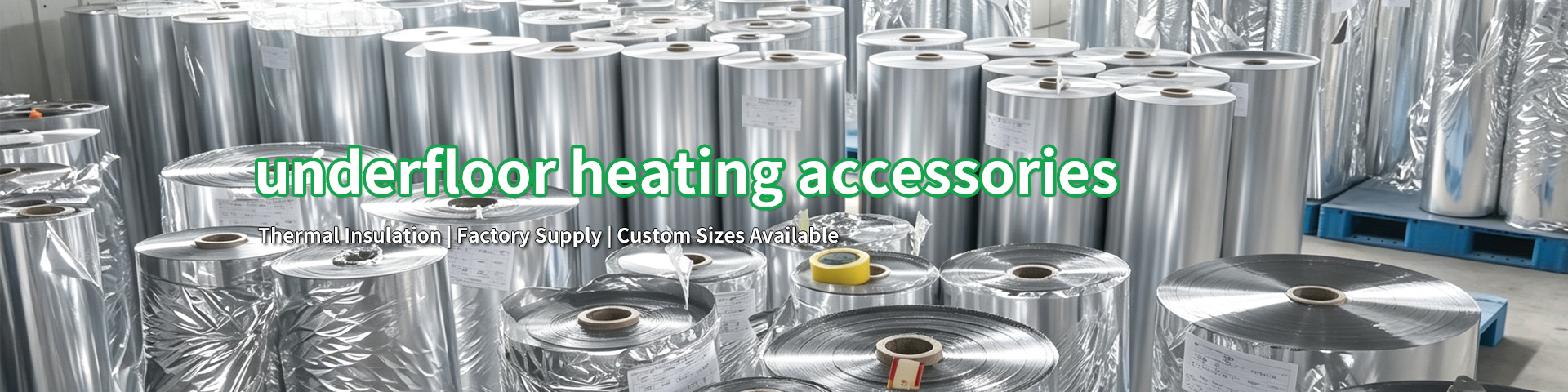
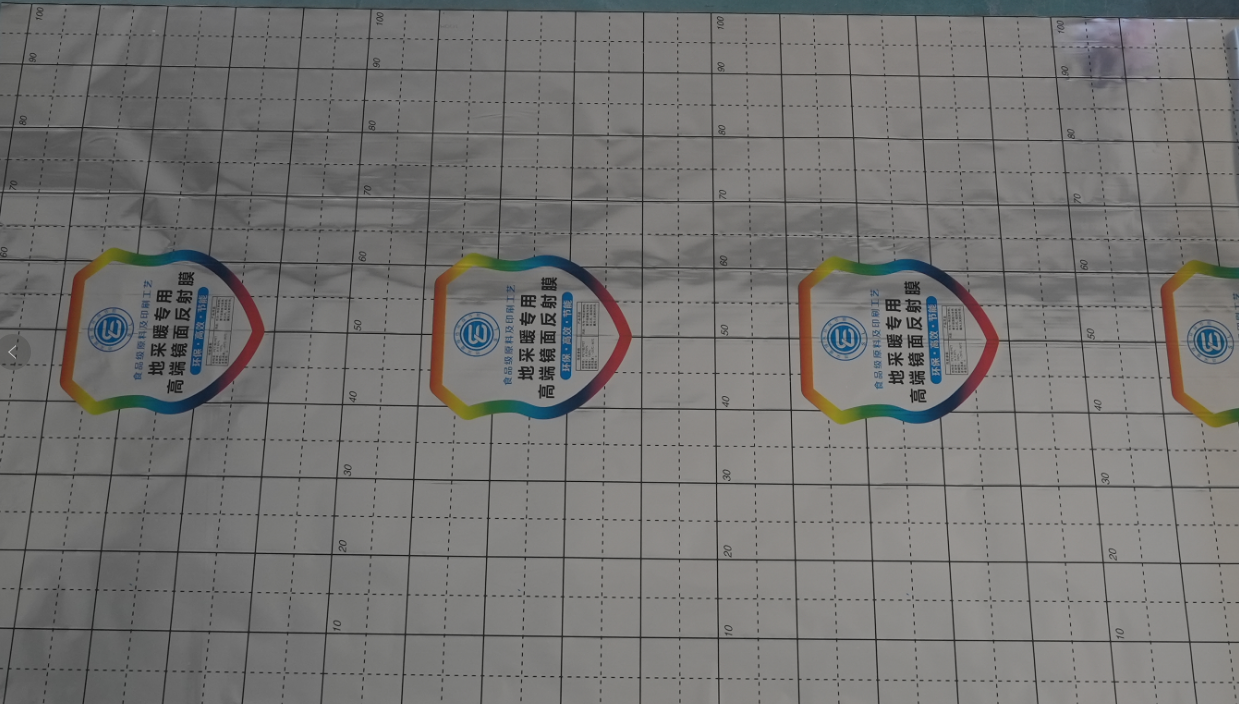
A reflective foil underlay is a thin roll placed beneath the heating pipe in a warm-water floor. Its foil face gives the build-up a shiny, low-emissivity plane that sends radiant heat upward instead of letting it soak into the slab below.
The supplier ships it as a continuous roll with a bonded backing for quick unrolling. This article explains what the underlay does, how it differs from loose film, and how to fit it.
What reflective foil underlay does
A bare concrete slab is a poor match for a heating system. Without a reflective plane, much of the warmth radiated down from the pipe is absorbed by the mass below and lost as stored heat. The foil face counters this with a low-emissivity surface: radiant energy bounces back toward the room rather than being swallowed.
The gain is modest but real. Installers see faster warm-up and an efficiency lift on concrete or screed, where the slab would otherwise act as a heat sink. The underlay cushions and smooths roughness; it is a directional aid for heat, not a foam insulator.
Underlay versus film: the difference
Builders sometimes confuse a bonded underlay with loose reflective film. They differ. A film is a single sheet of foil or metallised plastic that tears and shifts underfoot. An underlay is a laminate: foil fused to a backing such as foam or fabric that adds body, grip and tear resistance.
The distinction matters on site. Loose film wrinkles, slides and leaves gaps that break the reflective plane. A manufactured underlay stays flat, handles foot traffic during fit-out and holds position once laid. The factory controls the bond, so the foil will not delaminate when walked on or when pipe is clipped in place.
Choose the laminate for floors that see work before commissioning; reserve plain film for temporary roles without a robust walking surface.
Laying underlay over insulation
Most warm-water floors begin with insulation, then the underlay, then the pipe. Lay it directly on the insulation with the foil face up. The backing grips the board and the shiny side becomes the pipe-grid working surface.
Start at the longest wall and unroll in a straight line, tight to the edge. Butt the next run against it; on wider rooms, run separate lengths and meet them edge to edge.
Keep the surface clean, since debris under the underlay creates bumps that telegraph through screed or tile. A supplier with a matched width reduces joints on large areas.
Sealing and overlapping joints
Joints are the weak point of any reflective layer. A continuous foil plane reflects better than separate strips, so treat every seam as a break to close. Butt edges and seal with the tape the manufacturer recommends, usually an aluminium or foil tape.
Avoid heavy overlap. A thick double layer at the join can form a ridge that shows in the finished floor, so a neat butt joint with tape over the top gives a flat, unbroken plane without adding height.
On perimeter walls, turn the foil up the skirting line slightly so the reflective envelope closes. This keeps heat from escaping sideways and protects the foil during screed work.
Compatibility with pipe and modules
Reflective underlay works with the common pipe layouts in wet systems. Whether the pipe is clipped, stapled or held in a rail, the foil face provides a stable base. The backing must accept the fixing without splitting, so the supplier should state the recommended method.
Where clip or rail modules sit above the underlay, check that the profile seats cleanly. Some systems use a separate panel; the underlay then sits beneath as the reflective layer while the module carries the pipe. Confirm spacing so the pipe sits at the designed height in the screed.
For retrofit over an existing slab, a thin underlay is often the only option where height is tight, and the factory can supply pre-cut rolls for awkward rooms to keep waste low.
Thickness and durability choices
Underlay ranges from around half a millimetre of foil laminate up to several millimetres with a foam backing. Thicker is not automatically better. A slim profile suits tight height budgets; a thicker one adds cushioning and comfort underfoot.
Durability tracks with the backing. A non-woven or foam-laminated roll survives site handling, foot traffic and a screed pour far better than bare film. For commercial jobs, specify a grade rated for the expected abuse.
Ask the supplier about roll width, length and core size so the product fits your layout. Consistent gauge matters more than peak thickness: an even surface prevents dips that show as cold spots.
How a manufacturer supplying underlay supports installers
A good supply relationship removes guesswork. The factory can match roll width to room dimensions, ship foil tape in the same batch, and label each roll with grade and fixing method, keeping a crew moving.
Customization helps on repeat jobs. A supplier with OEM and private-label options lets distributors stock a consistent product under their own name, while export packaging keeps rolls intact in transit. Technical sheets stating emissivity, thickness and compatibility close the loop for specifiers.
Hebei Shenglei Thermal Insulation Materials Co., Ltd. manufactures underfloor heating reflective foil underlay at its Hejian, Hebei facility and supports overseas distributors with customization and export services, helping installers receive a product matched to the job rather than a generic roll.
References
BS EN 1264-4:2008. Water based surface embedded heating and cooling systems — Part 4: Installation. CEN.
BS 8204-1:2002+A1:2009. Screeds, bases and in-situ floorings — Part 1: Concrete bases and screeds. BSI.
BS EN 1264-2:2008. Water based surface embedded heating and cooling systems — Part 2: Determination of the thermal output for floor heating systems. CEN.